
Reviewed · TEROR & NORTHERN VILLAGES TOURS
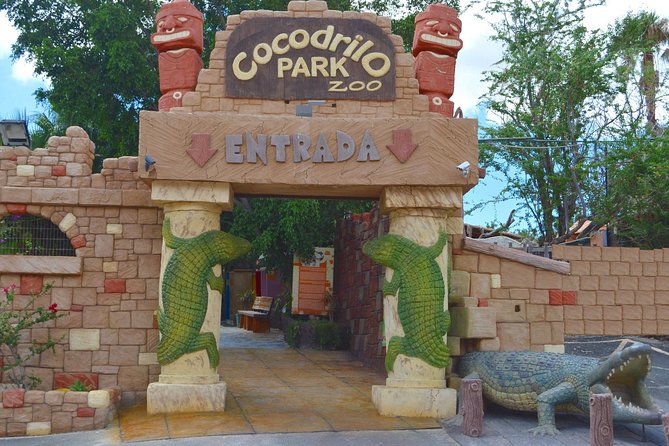
Cocodrilo Park Zoo Admission Ticket in Agüimes
Cocodrilo Park is less a polished city zoo than a working rescue center for exotic animals, with more than 500 animals spread across 22,000 square meters. Its main draw is the huge crocodile and alligator collection, but you’ll also find monkeys, chimpanzees, tigers, birds, reptiles, deer, llamas, raccoons, pigs, and small farm animals.
I like the feeding presentations, especially the bird and crocodile sessions, because they give you something to watch rather than simply a row of enclosures. I also like the family mix: children can see serious wildlife, then meet friendlier animals such as pygmy goats and llamas. The main caution is practical: there is no pickup service, and the hot, open setting can feel tiring if you arrive without water, shade, or a plan for getting home.
Key points to know before you go
- The crocodile collection is the star: The park presents Europe’s largest alligator exhibit, along with many other crocodiles and reptiles.
- It works as an animal rescue center: Much of the appeal comes from seeing animals that were rescued, seized, or could not remain in private hands.
- Feeding shows add structure: Bird, crocodile, and other animal presentations help break up the walk around the grounds.
- Families get the widest value: Children have plenty to see, from monkeys and tigers to goats, pigs, birds, and reptiles.
- Plan your transport carefully: Pickup is not included, and some visitors found the park difficult to reach without a car or taxi.
- Allow four to six hours: The visit is not a quick photo stop, especially if you watch the scheduled presentations and stop for food.
Why the crocodiles are only part of the story
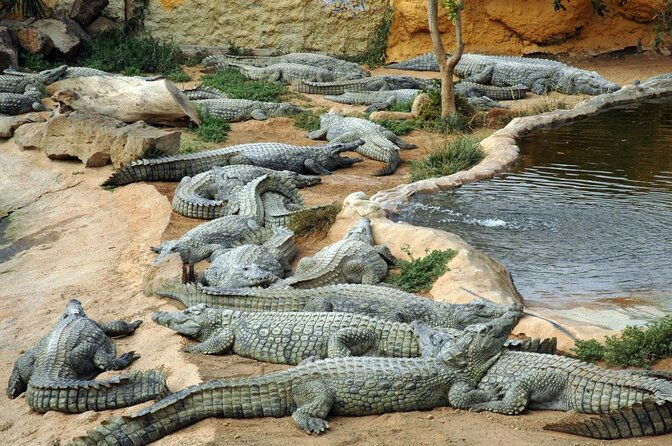
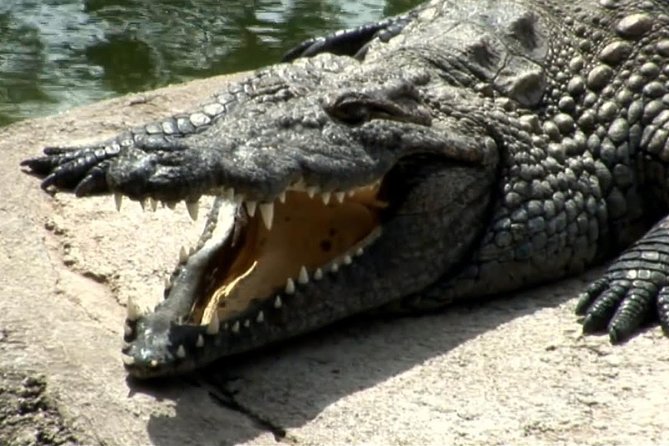
The first thing you notice at Cocodrilo Park is the concentration of crocodiles and alligators. The collection gives the place its name and its strongest identity, and the large alligator exhibit is the central reason to come.
You can expect many reptiles, not just crocodiles. Turtles, lizards, and other species fill out the animal collection, while feeding sessions give you a closer look at behavior and handling. The crocodile presentation is one of the most talked-about parts of the visit, but it is worth treating it as an educational show rather than a stunt.
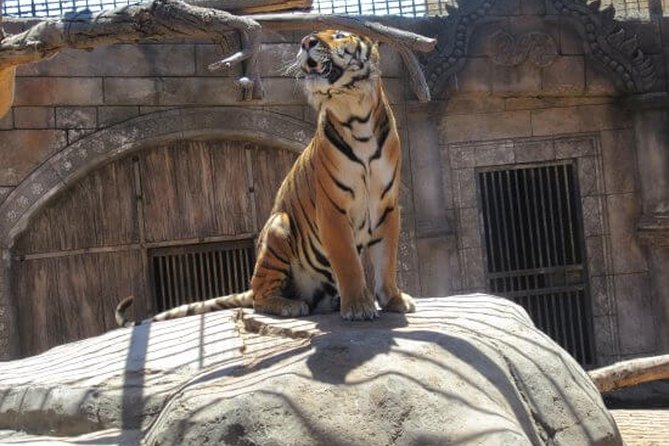
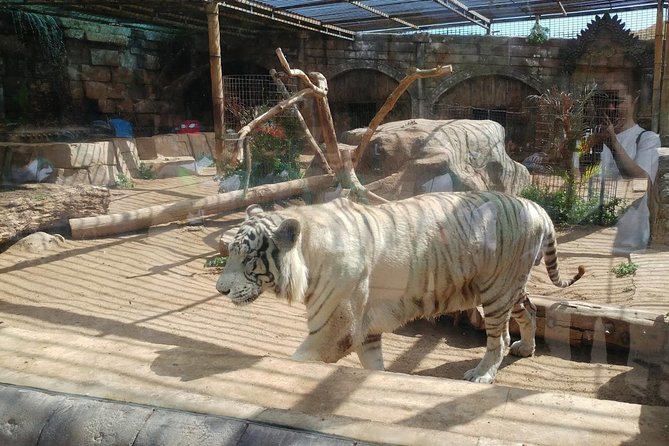
The park also has a broad mix of mammals and birds. Tigers, deer, raccoons, meerkats, llamas, pigs, monkeys, and chimpanzees are among the animals you may see. That variety matters if you are visiting with children, since the experience does not depend on their interest in reptiles alone.
The animal list feels more like a small rescue park than a traditional zoo. That distinction is important. You are not coming for grand, highly designed city-zoo grounds. You are coming to support a place that cares for exotic animals and gives you a chance to see them at close range.
More trips up to Teror and the northern villages:
- Firgas, Tejeda, Guayadeque – VIP Tour Gran Canaria
★ 4.5 · 173 reviews - Arucas, Teror, Viewpoint Roque Nublo – Highlights Gran Canaria
★ 4.5 · 170 reviews - Gran Canaria: 6-Hour Teror and San Mateo Markets Tour
★ 4.1 · 130 reviews
A rescue center with a less polished edge
The rescue-center message is central to the experience. Several visitors liked the idea that entrance fees help care for animals that were rescued or confiscated. The park also explains where some animals came from and discusses subjects such as invasive species.
I find that context useful. It changes how you look at the collection. A tiger, parrot, crocodile, or monkey in this setting is not simply there to decorate a display. The park is dealing with animals that often cannot be released or kept safely by private owners.
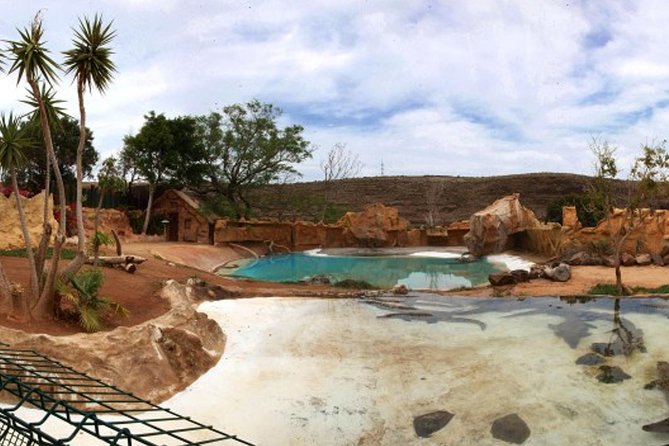
At the same time, you should set your expectations correctly. Some parts of the facility have been criticized as run-down, with concerns about small spaces and limited shade. Other visitors found the grounds well cared for and the animals in good condition. Those different impressions suggest that the experience can depend on which areas you see, the heat of the day, and your own expectations of a zoo.
I would not book this place expecting a glossy, modern attraction with air-conditioned buildings and perfect paths. I would book it as an active animal-care facility where the purpose is more important than decorative presentation. That makes it meaningful for some people, but less appealing if polished facilities are your main concern.
Feeding shows give the visit a useful rhythm
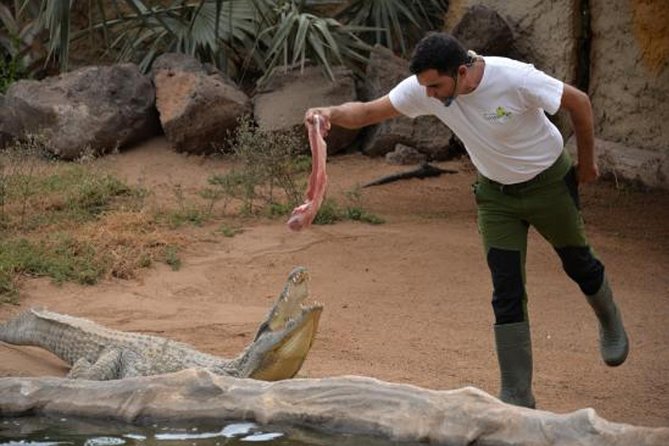
The feeding sessions are among the best reasons to stay for several hours. You may see bird feeding, crocodile feeding, and other animal presentations. These moments give you a better chance to watch natural reactions, and the commentary adds information about habitats and animal care.
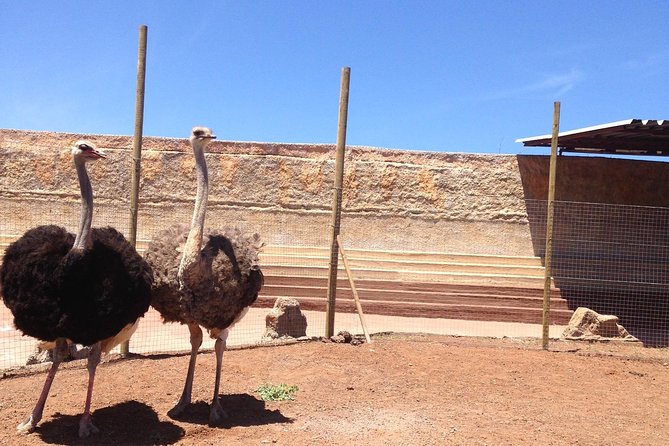
The bird presentation receives particularly strong praise. The birds provide movement and noise, while the feeding itself makes the session easy for children to follow. There is also educational content about invasive species, which gives the show more value than a simple display of animals.
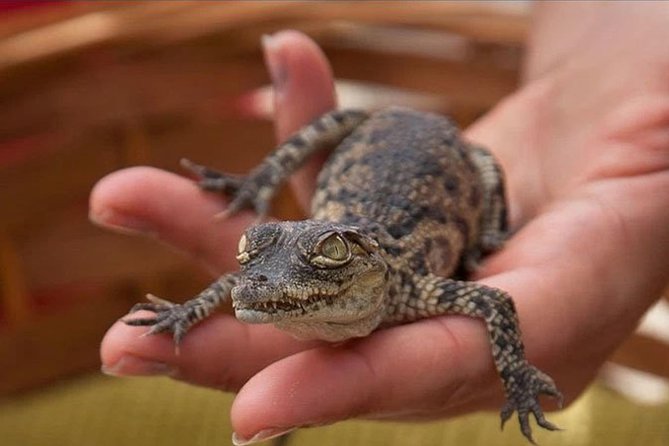
The crocodile show is another highlight. Crocodiles are often still and difficult to read, so a feeding presentation helps you understand their size, speed, and behavior. You may also see smaller crocodiles, although you should not assume that you will handle baby crocodiles. One disappointed visitor expected direct contact but only saw young crocodiles in a basket.
The sound system and commentary may not be ideal for everyone. One useful warning is that the speaker can be fast and scratchy, which is harder to follow in a language that is not your first. If you want to understand the explanations, stand where you can hear clearly and do not count on every word being easy to catch.
A close look at monkeys, birds, and farm animals
After the crocodiles and reptile areas, the variety of smaller exhibits keeps the visit moving. Meerkats, turtles, lizards, and raccoons offer quick, lively stops. The monkeys and chimpanzees tend to attract plenty of attention, especially from children.
The bird areas are another strong point. You may see several types of birds, and one section allows you to enter an aviary surrounded by birds and reptiles. That kind of close setting can feel more personal than standing several meters away from a distant enclosure.
The park also includes animals that make the day easier for younger children. Pygmy goats, pigs, llamas, and deer offer a break from predators and reptiles. If your family has mixed interests, this range is useful. One person can focus on crocodiles while another waits for monkeys, birds, or the gentler farm animals.
You may also come across unusual animal interactions, including foxes and snakes. These moments are part of what makes the park feel different from a standard walk through labeled exhibits. Still, follow staff instructions closely. The setting involves live animals, and the experience is not built around unrestricted handling.
More parks and attractions on the island:
- Poema del Mar Skip-the-Line Ticket
★ 4.8 · 3,856 reviews - Maspalomas: Palmitos Park Ticket with Dolphin and Bird Shows
★ 4.8 · 1,507 reviews - Maspalomas: Aqualand Maspalomas Water Park Entry Ticket
★ 4.2 · 1,311 reviews - Holiday World Maspalomas Wooland Ticket
★ 4.0 · 407 reviews
How long to spend at Cocodrilo Park
The suggested visit takes about four to six hours. I would allow the full half-day if you want to watch presentations, stop for lunch, and move at a relaxed pace.
You can shorten the visit if you are focused only on crocodiles and reptiles. Families usually gain more from taking their time, since younger children often want to stop at every animal area. The shows also create fixed points in the day, so rushing through the grounds may mean missing the best parts.
The park is open Friday through Sunday from 10:30 a.m. to 3:30 p.m., according to the supplied schedule. That is a fairly narrow window, so check the current hours before setting out. The opening period shown with the booking information runs through May 21, 2026, but operating details can change.
Because the park is open during the warmer part of the day, I would bring water, a hat, and sun protection. Heat was a clear complaint for at least one person, while shade can be limited in some areas. Comfortable shoes are also sensible, since some paths are uneven.
Food, drinks, and the monkey snack bar
Food is not included in the ticket. The park has a monkey snack bar serving menus, hot dogs, and smoothies, so you do not need to leave the grounds when hunger arrives.
That is convenient during a four-to-six-hour visit, especially with children. A cold drink or smoothie can make a real difference on a hot day. Still, I would not plan the visit around a full restaurant meal. The food service is described as a snack bar, and the main value of the ticket is the animal care and exhibits.
Bring water even if you intend to buy refreshments. You will be outdoors, and having your own drink lets you keep moving between exhibits and presentations. Food and drinks are listed as extra costs, so include them in your day’s budget.
Getting there from Gran Canaria’s resort areas
Transport is the most important practical weakness. Pickup service is not included, and some people have found that reaching the park from Maspalomas-area hotels requires a taxi in both directions. Other information describes the park as near public transportation, but direct access may not be simple.
If you have a rental car, the visit is easier to plan. If you do not, check the route before buying the ticket and confirm how you will return after closing. Do not assume that a hotel transfer is part of the experience.
This matters because the ticket is non-refundable and cannot be changed for any reason. A transport problem can therefore become an expensive mistake. I would sort out the route first, then book the admission.
The activity is described as having a maximum of 20 participants, though the park itself is a public animal facility rather than a small guided tour. That limit may make the booking feel more controlled, but you should not expect a private visit or personal guide throughout the grounds.
Is the $11.49 ticket good value?
At $11.49 per person, the admission is modest for a four-to-six-hour animal outing. I think the value is strongest if you watch at least one feeding show, use the full grounds, and care about supporting a rescue center.
The price also compares well for families who need a half-day activity without a major attraction fee. You get crocodiles, birds, mammals, reptiles, and farm animals in one place. The snack bar costs extra, and transport can add a much larger expense than the ticket itself, particularly if you need taxis from a resort area.
One point to check is local pricing. Some people have reported paying about €9.90 at the entrance, which may be lower than the online price. Prices and availability can change, so compare the total cost rather than assuming an advance mobile ticket is always the cheapest choice.
The mobile ticket is useful for getting in without a paper voucher. It does not solve the transport issue, and it does not make the booking flexible. Since the cancellation policy is strict, book only after confirming your date and route.
Accessibility and comfort on the grounds
Most people can take part, and children must be accompanied by an adult. A wheelchair user found the visit worthwhile, though a few uneven paths made movement harder.
That is a fair picture of the site. The park is spread over a large area, and uneven surfaces may be tiring for anyone with limited mobility. If you use a wheelchair or have trouble walking, plan for a slower visit and consider checking current access details before you go.
Heat is another comfort issue. Some areas may have limited shade, and the opening hours place much of the visit in the middle of the day. Water, a hat, and a sensible pace will improve the experience.
Who should book this experience?
I would recommend Cocodrilo Park to families, children who love animals, and anyone interested in rescue work. It is also a good choice if you want something different from beaches and resort pools in Gran Canaria.
You will get the most from it if you enjoy animal presentations, do not mind a simple facility, and can arrange transport without trouble. The bird feeding and crocodile show give the visit clear highlights, while the monkeys, tigers, reptiles, and farm animals keep the day varied.
I would hesitate if you expect spacious, modern enclosures, easy shade, or hands-on contact with baby crocodiles. I would also avoid booking until transport is confirmed. The park can be a rewarding half-day, but it works best when you approach it as a rescue facility, not a polished theme park.
FAQ
Where is Cocodrilo Park located?
Cocodrilo Park is in Agüimes, Gran Canaria, Spain.
How much does admission cost?
The supplied price is $11.49 per person. Some information also refers to an entrance price of about €9.90, so check the current price before booking.
How long does the visit take?
Plan for approximately four to six hours, especially if you watch feeding presentations and stop for food.
What animals can I see?
The park has more than 500 animals, including crocodiles, alligators, meerkats, turtles, lizards, raccoons, birds, deer, tigers, pigs, pygmy goats, llamas, monkeys, and chimpanzees.
Are food and drinks included?
No. Food and drinks cost extra. A monkey snack bar sells menus, hot dogs, and smoothies.
Is pickup service included?
No. Pickup service is not included. The park is described as near public transportation, but some people have needed taxis or a car, so check your route before booking.
What are the opening hours?
The supplied schedule lists Friday through Sunday, from 10:30 a.m. to 3:30 p.m. Confirm the current hours before you go.
Can children visit without an adult?
No. Children must be accompanied by an adult.
Should I book Cocodrilo Park?
Book it if you want a family-friendly animal outing with a strong rescue-center focus, crocodile and bird feeding sessions, and a low admission price. Confirm transport first, bring protection from the sun, and expect a simple facility with some uneven paths. If those conditions suit you, the park offers a worthwhile half-day away from Gran Canaria’s beaches.
Just reviewed around Gran Canaria
- Custom Maspalomas Private Photo Shoot★ 5.0 · 7 reviews
- Sea and Mountain Full Day Tour with Lunch★ 4.0 · 5 reviews
- 6 Diving Sites Scuba Diving Package in Gran Canaria★ 5.0 · 6 reviews
- Las Palmas Maspalomas Gran Canaria Salsa Lovers Dance Experience★ 5.0 · 3 reviews
- Las Palmas, Botanical Garden & Bandama Crater tour – Gran Canaria★ 4.5 · 27 reviews
- Kayak Gran Canaria★ 3.0 · 10 reviews
- Photoshoot at Dunas Maspalomas in Desert Beach Ocean View★ 5.0 · 9 reviews
- Holiday World Maspalomas Wooland Ticket★ 3.0 · 50 reviews
Teror & Northern Villages Tours, compared.

Firgas, Tejeda, Guayadeque – VIP Tour Gran Canaria
Read our review →
Arucas, Teror, Viewpoint Roque Nublo – Highlights Gran Canaria
Read our review →


Full-Day Gran Canaria Tour with Teror, Tejeda and Lunch in Fataga
Read our review →

Tour to Arucas, Teror, Aloe Vera farm – Highlights
Read our review →
Browse the lists this tour appears in