
Reviewed · GRAN CANARIA
Gran Canaria Tour: Past and Present
Gran Canaria reveals its character far beyond the beach on this long day through the island’s mountain villages, farming country, and sacred volcanic sites. You’ll see cave homes in Guayadeque, the Basilica of Our Lady of the Pine in Teror, the highland area around Roque Nublo, and the palm-filled Fataga valley.
I like the wide view of island life here, from ancient settlements to working agricultural areas. I also like the mix of stops: you get villages, mountain scenery, local plants, and history rather than spending the day at one attraction. The main caution is pace. With more than 200 kilometers of driving and many hotel pickups, some parts of the day can feel rushed.
Key points to know before booking
- Guayadeque’s cave homes show how people lived in natural rock shelters long before modern tourism shaped the island.
- Teror and Valleseco give you time in traditional inland towns, not just roadside viewpoints.
- Roque Nublo is both a striking volcanic formation and a sacred place for Gran Canaria’s first inhabitants.
- Tom has guided some departures, speaking across Spanish, English, and German during a full day on the road.
- Lunch costs extra, usually around €13 to €15 based on recent tour conditions, and the choice may be limited.
- The route is ambitious, so bring sturdy shoes, a windbreaker, and patience for a long bus day.
Why this bus tour makes sense beyond the beaches
Gran Canaria is often sold as a resort island, but its inland character is just as important. This tour takes you away from Playa del Inglés, Maspalomas, and the southern coast and into the center of the island, where steep valleys, farm terraces, village churches, and old cave dwellings tell a different story.
I see this as a good orientation day if you want to understand how the island fits together. You move from the south toward the northeast, climb into the middle mountain region, cross fertile uplands, and return through the dramatic Valley of the Thousand Palms at Fataga.
The tour costs $58 per person, which is a fair price for eight hours of transport, guiding, and multiple stops. You would spend more arranging a private driver for this distance, though a rental car would give you more freedom and a less hurried schedule. The value here is convenience and interpretation, not flexibility.
The day includes pickup from Playa del Inglés, Maspalomas, Costa Meloneras, San Agustín, Bahía Feliz, Taurito, and Puerto Mogán. Pickup details arrive 24 to 48 hours before departure, so keep an eye on your messages. The wide pickup area is useful for resort visitors, but it can add a long start and finish to the day.
Still weighing it up? These Gran Canaria trips get booked alongside this one:
- Poema del Mar Skip-the-Line Ticket
★ 4.8 · 3,856 reviews - Puerto de Mogán: Submarine Tour
★ 4.4 · 3,792 reviews - Maspalomas: Guided Camel Ride in the Maspalomas Sand Dunes
★ 4.4 · 3,690 reviews
Guayadeque Valley and the old cave homes
The first major stop is the Guayadeque Valley, a Natural Monument with steep sides and a strong sense of isolation. The valley is linked to Gran Canaria’s pre-Hispanic inhabitants, who made use of caves as homes, storage spaces, and places of community life.
The cave dwellings are the reason this stop matters. Instead of hearing only about the island’s earliest people in a museum, you can see the kind of setting that shaped their daily lives. The rock shelters remain one of the clearest physical links to Gran Canaria’s first communities.
You should expect a short visit rather than a long hike. The tour is built around seeing the valley and its cave houses, then moving on. Comfortable shoes still matter because the ground around scenic stops may be uneven, and the day includes many times getting on and off the bus.
Agüimes is also part of the historical story. This old settlement connects the tour’s focus on indigenous life with the later development of Gran Canaria’s towns. You get a sense of how the island moved from small rural communities to the towns and roads you see today.
Teror’s basilica and Canarian town character
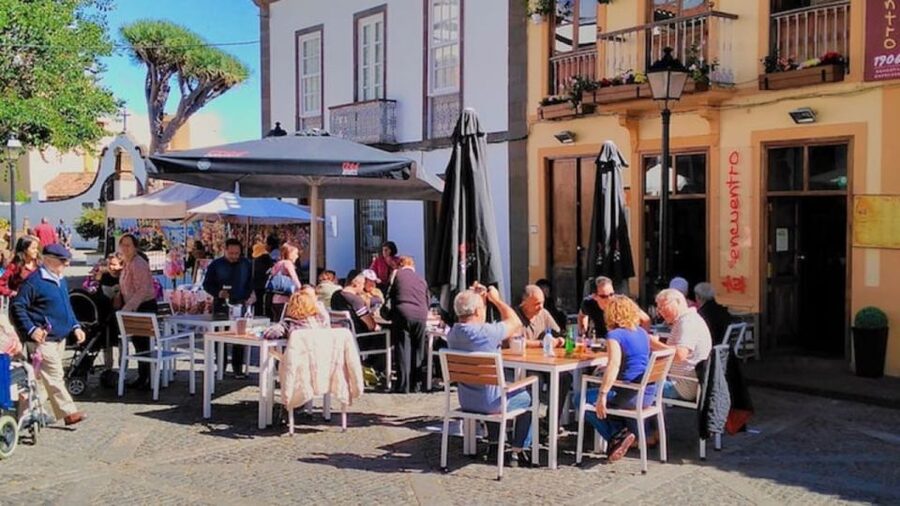
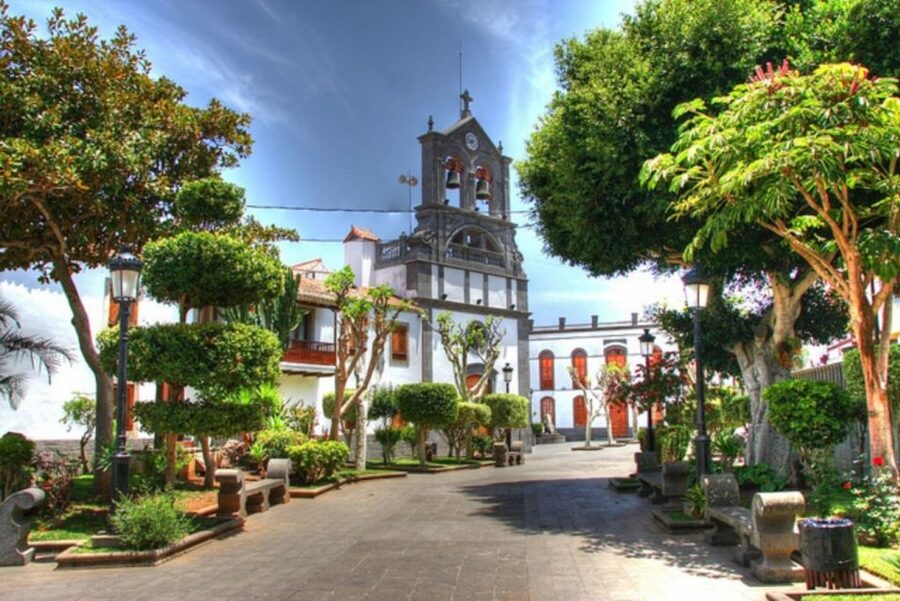
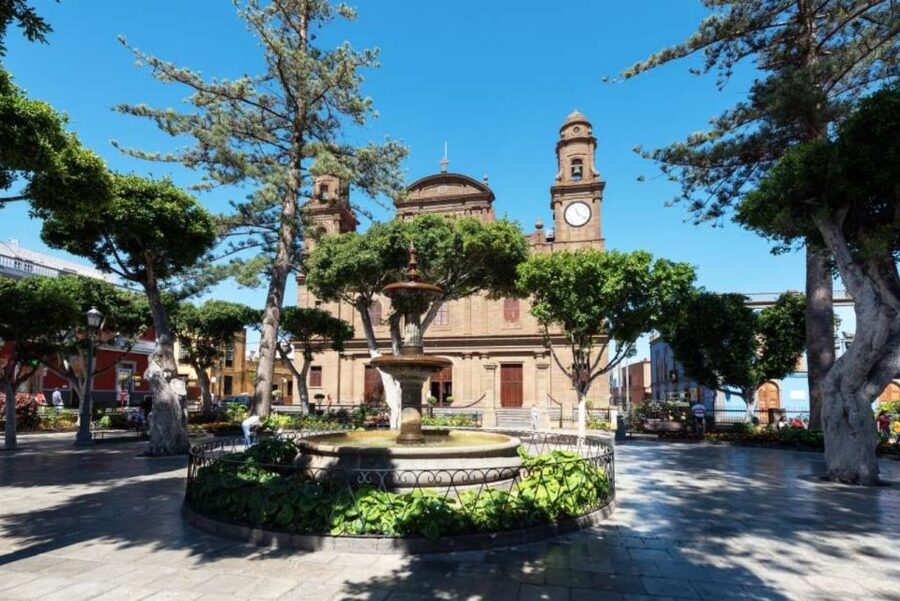
Teror is one of the prettiest stops on the route. Its main landmark is the Basilica of Our Lady of the Pine, a major religious site with a strong place in local identity. Around it, elegant Canarian-style houses give the town a more traditional look than many coastal resort areas.
I would pay close attention to the details here: balconies, painted facades, the church frontage, and the shape of the streets. Teror is not simply a photo stop. It helps you see how architecture, religion, and village life fit together in inland Gran Canaria.
Time may be the issue. One recent assessment of the day suggested that Teror deserved a longer pause, possibly at the expense of some lunch time. That is useful advice if you care more about town atmosphere than sitting down for a full meal.
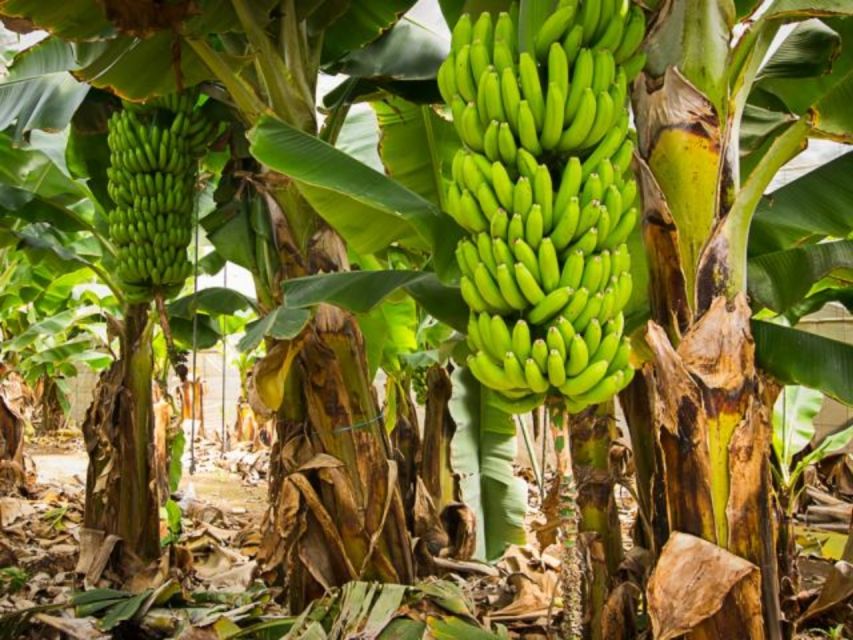
The route also passes views of Arucas and its banana plantations. From the bus, you can watch the island change from built-up resort zones to cultivated slopes and rural settlements. Because this is a panoramic bus route, your view depends on the road and your seat, but the scenery continues even when the bus is moving.
Valleseco and the middle mountain region
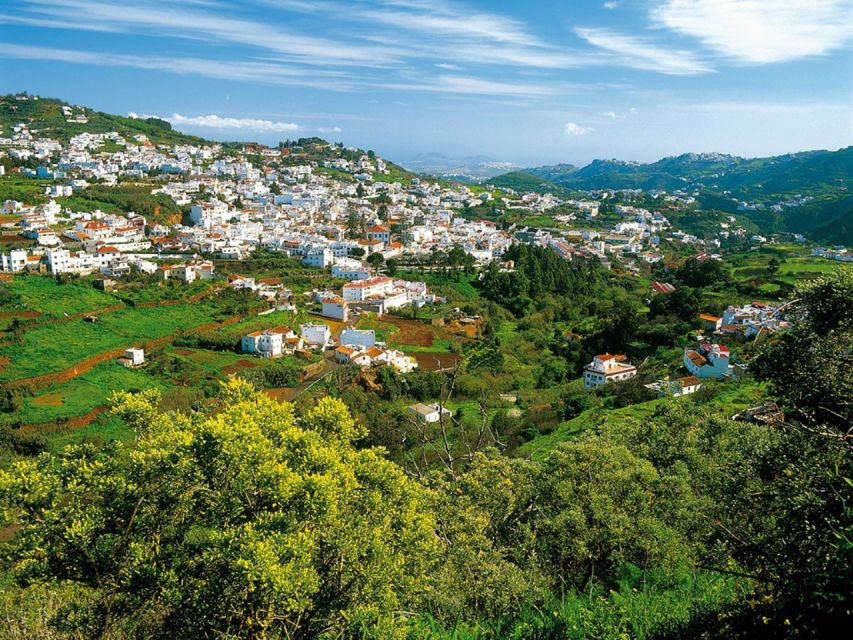
The tour then crosses Las Medianías, the middle mountain region. This is one of the most useful parts of the day because it shows Gran Canaria as a productive island, not only a holiday setting.
The area is known for agriculture and livestock, with thicker plant growth as the bus climbs. Valleseco is a protected natural area where you have free time to walk around and eat lunch at your own expense.
This pause gives you a break from the bus, but do not expect unlimited time. The itinerary covers a lot of ground, and some departures have felt tightly packed in the afternoon. If you want to wander slowly, browse local shops, and eat a relaxed meal, the schedule may feel short.
Lunch is not included. The optional meal has been priced around €13 to €15, which is reasonable when the food is satisfactory, but you may have limited choice depending on the arrangement on your departure. If lunch quality and restaurant choice matter greatly to you, bring a small snack and treat the meal as a practical stop rather than a main event.
I like that Valleseco is included because it gives you a look at the island’s inland rhythm. You are not only passing through a mountain road for the scenery. You get a little time to stand in a town, see the surrounding vegetation, and understand why the middle slopes matter to local life.
Same island, a completely different sort of day:
- Guided tour of the Banana World
★ 5.0 · 3,431 reviews - From Puerto Rico de Gran Canaria: Dolphin Watching Cruise
★ 4.3 · 2,520 reviews - Gran Canaria: Dolphin and Whale Watching Cruise
★ 4.3 · 1,855 reviews - Gran Canaria Guided Buggy Tour
★ 4.7 · 1,743 reviews
Roque Nublo, an island symbol with sacred meaning
Roque Nublo is one of the most recognizable formations in Gran Canaria. The volcanic rock rises from the high interior and has deep significance for the island’s first inhabitants. Today, it is also one of the island’s main symbols.
The tour visits the Roque Nublo area rather than promising a full mountain hike. That distinction matters. You should expect views and a stop in the area, but the supplied details do not describe a long walking route or a summit excursion.
The high country can be cooler and windier than the coast, even on a sunny day. Pack the recommended windbreaker, and wear shoes that will handle short walks and firm footing. You will appreciate the extra layer when the bus reaches the higher parts of the route.
This stop works best as part of the full geographic story. Earlier, you saw a coastal and rural island shaped by farming and villages. Here, the rock and open mountain setting show the volcanic forces behind Gran Canaria’s unusual shape.
Tunte, Fataga, and the return through palm country
Tunte is included among the stops, adding another inland village to the day. It helps break up the larger scenic sections and gives you another view of how communities developed in the island’s high country.
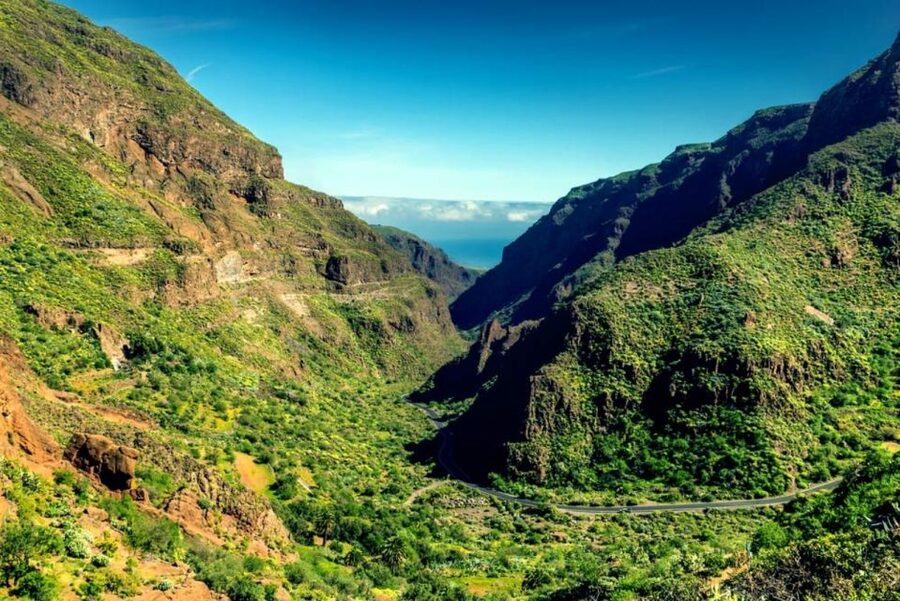
The return route passes through Fataga, known as the Valley of the Thousand Palms. The canyon is one of the most scenic parts of the journey, with a sharp change in scale after the village visits and cultivated middle slopes.
This is a good stretch for simply watching the road and valley. You will see why the bus route itself is part of the attraction. The driver has to handle narrow mountain sections, and careful driving matters here. A previous departure particularly praised the driver’s skill on tight roads, which is reassuring on a route with so many bends.
Do not expect every view to be a formal viewpoint with a long stop. Some of the best scenery may come through the bus windows. I would keep your camera ready, but I would also avoid spending the whole day trying to photograph every turn.
The aloe vera farm visit
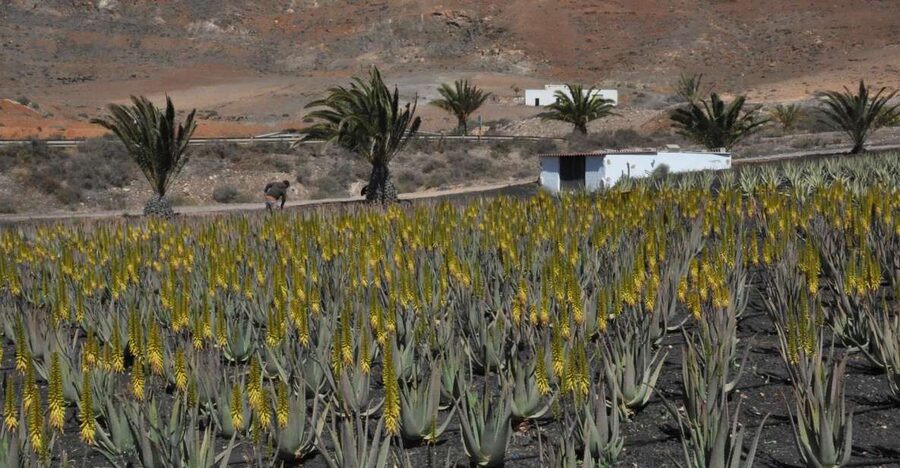
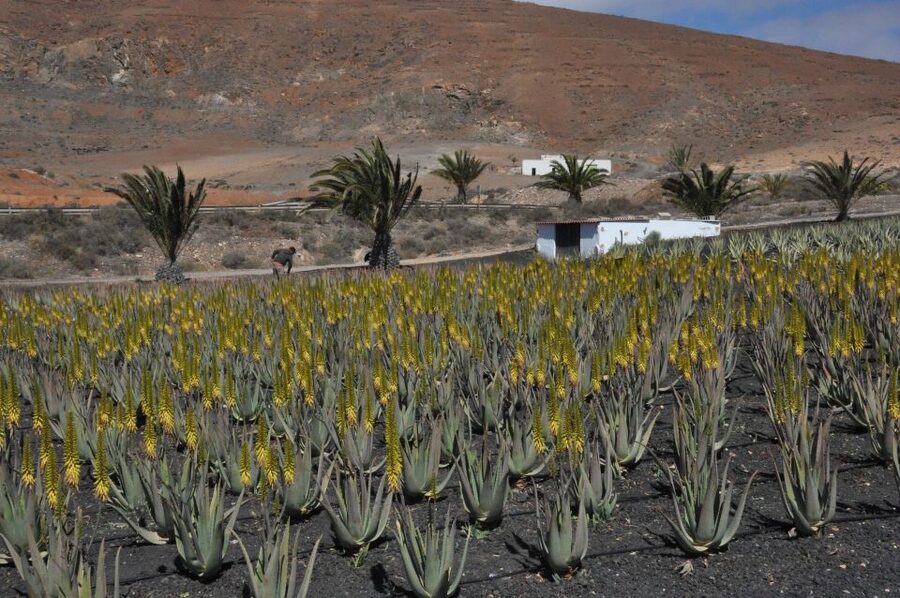
The final distinctive stop is an aloe vera estate. You learn about the plant, its uses, and its perceived benefits in everyday products.
This is partly an educational stop and partly a commercial visit, so set your expectations accordingly. Some people enjoy learning how aloe is grown and used. Others may find the promotional element less interesting than the villages and mountain scenery.
For me, the farm works as a change of pace after a full day of churches, valleys, and volcanic rock. It also connects the island’s agricultural identity with a plant that is now closely linked to Gran Canaria’s visitor economy.
The guide, languages, and bus experience
Guiding quality can shape this tour more than any individual stop. Tom has led some departures and has been praised for keeping up a steady stream of information about Gran Canaria’s history, geography, culture, people, and politics.
He may need to speak in Spanish, English, and German during the same day. That is impressive, but it can also affect how much detail you receive in your chosen language. One poor experience came from commentary switching between German and English, with the English explanation feeling shorter and harder to follow.
If you book in English, I would confirm the language balance when possible and listen carefully during the opening part of the tour. A multilingual day can work well, but the information may not be delivered in identical length or detail in every language.
The bus is a practical way to cover the island, especially if you are staying in one of the southern resorts. The downside is time spent collecting and returning passengers. One departure took close to three hours for pickup and drop-off activity, with a hotel return around 19:30 instead of the expected late afternoon window.
That is a serious consideration. The advertised duration is eight hours, but a broad pickup network can make the total day longer. If you are booking a dinner, show, or airport transfer afterward, leave plenty of room.
Who will enjoy this day most
I would choose this tour if you want a single, efficient introduction to Gran Canaria’s inland areas. It suits you if you value a guide’s explanations, prefer not to drive mountain roads, and want to see several regions in one day.
It is especially useful for first-time visitors staying in the south who have limited time away from the resort. You can see cave dwellings, traditional towns, mountain country, a major volcanic formation, and a palm-filled canyon without arranging several separate trips.
I would hesitate if you dislike long bus journeys, prefer slow travel, or want a great deal of control over where you stop. The route is ambitious, and the combination of hotel pickups, multilingual commentary, lunch, and many attractions can make the day feel hurried.
Bring comfortable clothes, walking shoes, and a windbreaker. Water and drinks are not included, and lunch is extra, so budget for both. Free cancellation up to 24 hours before departure and the option to reserve now and pay later make the booking less risky if your plans are still moving.
Should you book Gran Canaria: Past and Present?
Book it if you want the island explained as a whole rather than seen only from the beach. The strongest parts are Guayadeque, Teror, the middle mountain region, Roque Nublo, and the Fataga return route. The guide and driver can add real value, especially when the road is narrow and the scenery changes quickly.
Skip it if your ideal day means one village, a long lunch, or a relaxed hike. You may prefer a private car or a smaller outing.
At $58, this is good value for a broad introduction, provided you accept the long bus day. I would book it early in a short Gran Canaria stay, then keep the evening free. That leaves room for delays and gives you time to rest after crossing much of the island.
FAQ
How long is the Gran Canaria Tour: Past and Present?
The tour lasts eight hours, although pickup and drop-off times can make the total day longer.
What languages are available?
The live guide service is available in Spanish, English, and German.
Which areas offer pickup?
Pickup is offered from Playa del Inglés, Maspalomas, Costa Meloneras, San Agustín, Bahía Feliz, Taurito, and Puerto Mogán.
What places are included in the tour?
The tour includes Guayadeque and its cave houses, Teror, the Roque Nublo area, Tunte, Valleseco, and an aloe vera estate.
Is lunch included?
No. You have free time in Valleseco to eat lunch, but food and drinks are not included in the price.
How much should I budget for lunch?
Recent meal prices connected with the tour were around €13 to €15 per person, though the exact cost may vary.
Is Roque Nublo a hiking excursion?
The tour visits the Roque Nublo area, but the supplied details do not describe a full hiking excursion.
What should I bring?
Bring comfortable shoes, comfortable clothing, and a windbreaker.
When will I receive pickup details?
Pickup information is provided 24 to 48 hours before the tour begins.
Can I cancel the tour?
You can cancel up to 24 hours in advance for a full refund. You can also reserve now and pay later.
Just reviewed around Gran Canaria
- Custom Maspalomas Private Photo Shoot★ 5.0 · 7 reviews
- Sea and Mountain Full Day Tour with Lunch★ 4.0 · 5 reviews
- 6 Diving Sites Scuba Diving Package in Gran Canaria★ 5.0 · 6 reviews
- Kayak Gran Canaria★ 3.0 · 10 reviews
- Las Palmas Maspalomas Gran Canaria Salsa Lovers Dance Experience★ 5.0 · 3 reviews
- Las Palmas, Botanical Garden & Bandama Crater tour – Gran Canaria★ 4.5 · 27 reviews
- Photoshoot at Dunas Maspalomas in Desert Beach Ocean View★ 5.0 · 9 reviews
- Holiday World Maspalomas Wooland Ticket★ 3.0 · 50 reviews