
Reviewed · GRAN CANARIA SCUBA DIVING
PADI Advanced Diving Course in Gran Canaria
The most useful part of this two-day PADI Advanced course is its practical shape: five underwater sessions, two required skills, and three choices that can be adjusted to suit your aims. You’ll work on a 30-meter descent and underwater navigation, then choose from boat work, wreck exploration, night work, or other options with your instructor.
I like the personal scale. The group is capped at six, and the instructors, including Eileen, Danny, and Mati, are praised for calm briefings and patient coaching. I also like the tidy value: equipment, insurance, study materials, tuition, and certification fees are included in the $415.65 price.
The main consideration is timing. Two days is efficient, but it is not leisurely, especially if you complete the online study before arrival and want to fit in a night session. You must also avoid flying within 48 hours after your underwater work, so plan this near the middle of your holiday rather than on its final day.
Key points to know before booking
- Five sessions in two days: Two are required, a 30-meter descent and underwater navigation, while you choose the remaining three.
- Small groups: A maximum of six people allows for closer instruction and less waiting around.
- Flexible underwater options: Boat outings, wreck work, night activity, and search-and-recovery practice may be available, depending on conditions and your goals.
- Most costs are covered: Equipment hire, tuition, insurance, online study materials, and certification fees are included.
- Good preparation matters: Complete the online material before you arrive, bring your log book, and bring proof of existing scuba certification.
- Plan around flights: Do not schedule a flight within 48 hours after the course.
What this Gran Canaria course is really designed to do
The PADI Advanced course is for certified scuba participants who want more control, more range, and more confidence underwater. It is not a beginner lesson. You need evidence of your existing certification, and you will complete a health questionnaire before entering the water.
The course gives you a useful balance between structured training and choice. The two required sessions cover skills that matter on almost every future outing. The 30-meter session helps you understand how greater depth affects your planning and your body. Navigation work helps you keep track of direction, distance, and your position instead of simply following someone else.
The final three sessions are where the course can become more personal. You can discuss boat work, a wreck, a night session, or other available options with the instructor. One participant had hoped to complete night work, but changing weather led to search-and-recovery practice instead. That is a good reminder that flexibility is part of the experience, not a sign that the plan has gone wrong.
I like this approach because an advanced certificate should not be a box-ticking exercise. You should leave with skills that match what you actually want to do next, provided conditions and scheduling allow it.
More dive trips off Gran Canaria:
- Scuba Diving Experience for Beginners in Gran Canaria
★ 5.0 · 561 reviews - Gran Canaria: Try Scuba Diving for Beginners
★ 4.9 · 403 reviews - Beginners Scuba Diving Experience in Gran Canaria
★ 5.0 · 254 reviews
Starting at Blue Water Diving at 8:30 am
The day begins at Blue Water Diving, at Calle Olímpicos, C. Doreste y Molina, s/n, 35130 Gran Canaria, Las Palmas, Spain. The listed start time is 8:30 am, and the activity ends back at the same meeting point.
Selected hotels receive pickup and return transport. That is helpful if you are staying in the nearby resort area, but check that your hotel is covered before you assume a transfer is included. The center is also near public transport.
The first practical steps are paperwork, equipment, and planning. You will complete a health questionnaire, confirm your certification, and sort out your gear. The equipment is supplied, and several people specifically valued the careful fitting and individual adjustments.
You should bring your log book and your Adventures in Diving Crew pack, which is provided. Since the course is offered in English, you should also be comfortable following safety instructions and discussing your plans in English.
The online study manual is supplied before the practical work. I strongly recommend completing it at home. That leaves your two days for briefings, skills, and underwater time rather than trying to absorb the classroom material after you arrive.
The 30-meter session: a controlled step down
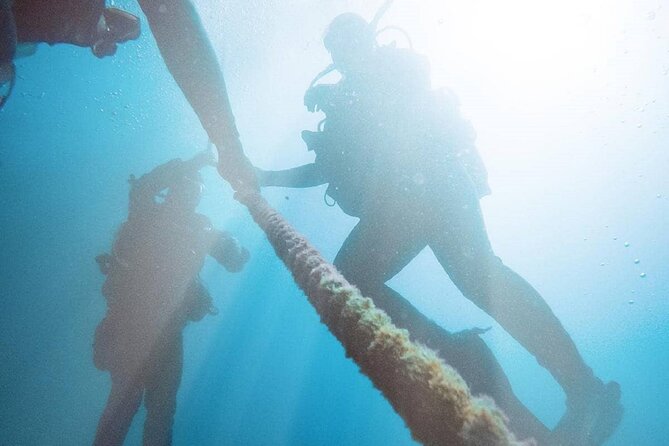
The first required session takes you to 30 meters. This is not simply a sightseeing trip at a greater depth. Your instructor will use the session to explain what changes as you go lower and how to manage yourself in a more demanding setting.
The value is in the preparation. You should expect a briefing, equipment checks, and a clear plan before entering the water. One account of the course describes the instructor explaining the key points carefully and keeping a close eye on air use and safety.
That kind of coaching matters. At greater depth, you need to remain calm, monitor your air, and follow the agreed plan. The course is intended to help you build that discipline under professional supervision.
You may also find that this session changes how you view your own buoyancy and breathing. One participant credited the instruction with improving neutral buoyancy and making later underwater experiences more comfortable. That is a practical result, not just a certificate on paper.
Underwater navigation: learning to find your way
Navigation is the second required session. The aim is to help you use direction and distance rather than rely on the instructor to lead every turn.
This can be one of the most useful parts of the course for anyone who plans to continue scuba work. Good navigation helps you stay with your group, return to a planned exit point, and make better use of limited air and time.
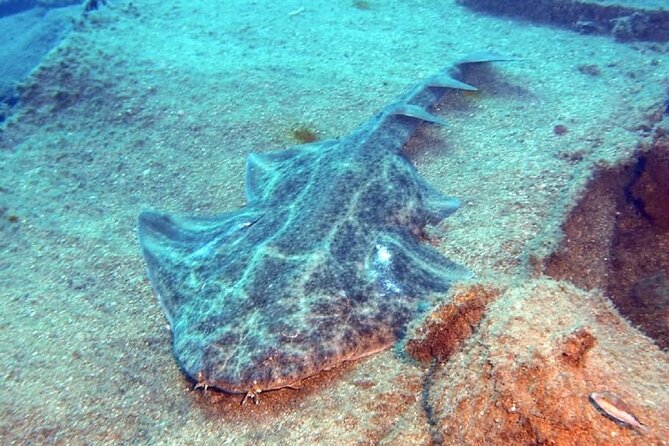
The training is not presented as a rushed technical drill. The instruction described by participants is patient, with clear briefings and time for questions. An angel shark even appeared during one navigation session, an unusual bonus that shows how nature can interrupt the lesson in the best way.
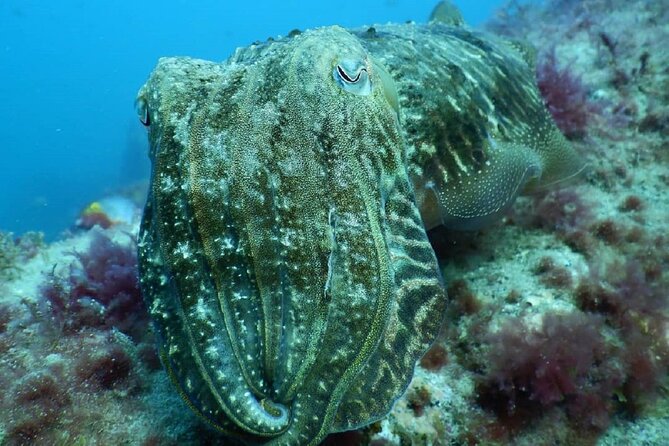
You should still keep your expectations sensible. Marine life is never guaranteed, and the main purpose of the session is skill development. If you happen to see an angel shark, stingray, cuttlefish, octopus, or a good variety of fish, consider it an added reward.
Same island, a completely different sort of day:
- Poema del Mar Skip-the-Line Ticket
★ 4.8 · 3,856 reviews - Puerto de Mogán: Submarine Tour
★ 4.4 · 3,792 reviews - Maspalomas: Guided Camel Ride in the Maspalomas Sand Dunes
★ 4.4 · 3,690 reviews - Guided tour of the Banana World
★ 5.0 · 3,431 reviews
Choosing the final three sessions
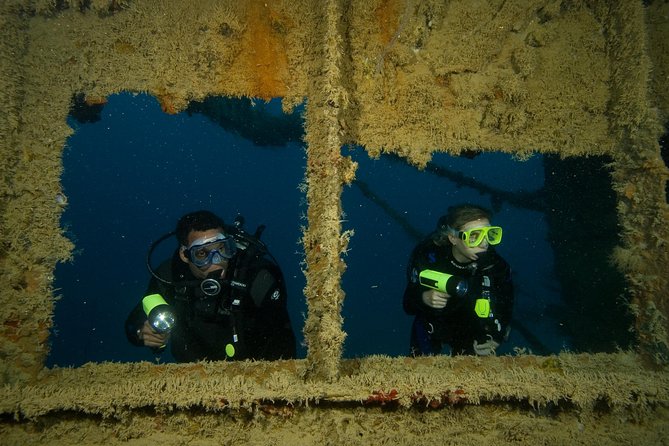
The course allows you to choose the last three sessions from a range of options. The exact mix is discussed with the center and depends on your interests, conditions, and available timing.
Possible choices include:
- Boat-based underwater work
- Wreck exploration
- Night activity
- Search-and-recovery practice
- Other advanced options discussed with your instructor
The boat option is attractive because Blue Water Diving has its own boat, according to the information provided. That can make the day easier to organize and opens access to sites reached from the water.
Wreck work gives you a different kind of focus. You are not just looking at fish and rock formations. You are considering structure, position, depth, and safe movement around an artificial site. Two wrecks were part of one particularly successful course, though you should not treat that as a guarantee for every departure.
Night work is another strong choice if you want to learn how familiar surroundings change after dark. It requires extra attention to lights, communication, and staying close to your group. Weather may affect whether it can happen, so keep a backup option in mind.
Search and recovery is useful for people who want a more task-based session. It requires planning, observation, and careful handling of the underwater environment. It also gave one course participant a worthwhile alternative when poor weather ruled out a night outing.
How the instruction feels in practice
The strongest praise is directed at the teaching. Eileen is described as friendly, patient, and able to turn basic skills into calm underwater habits. Danny is also singled out for careful briefings, experience, and an easy teaching style.
Mati received special praise for combining a professional approach with a sense of fun. Kate and Chris are closely involved with the center, and the wider team includes instructors and support staff who help keep the days moving.
I would not expect every session to have the same instructor. The supplied information names several team members, but it does not promise a particular person for your booking. You can ask about instructor allocation before arrival if that matters to you.
The course appears to work well for different ability levels within the certified group. One couple completed Open Water and Advanced training at the same time, with the center arranging different learning paths. That suggests some flexibility, but you should still explain your experience and goals before the first day.
The group limit of six is important. You get a better chance to ask questions, receive individual corrections, and spend less time waiting for a large group to complete a task. It also means the experience may feel more personal than a high-volume resort operation.
Equipment, insurance, and what the price covers
At $415.65 per person, the price is not just for entry into the water. It includes a professional guide, instruction, full equipment hire, insurance, the online study manual, and the certification fee.
That is a fairer value than the headline price might first suggest. You do not need to rent the main kit separately, buy the course manual, or pay an additional certification charge. If you are flying in and do not want to carry all your equipment, the included hire is especially useful.
Equipment quality and fitting received strong praise. You should still check that everything feels right before each session and speak up if anything needs adjusting. A good fit affects comfort, buoyancy, and confidence.
Food and drinks are not included. Bring your own arrangements for meals and refreshments, and do not assume that the course price covers snacks between sessions. The supplied details do not specify meal stops or a catering plan.
How to prepare for two busy days
Start with the online study manual before your holiday. This is the simplest way to make the practical days feel focused rather than crammed.
Bring your log book and proof of certification. You will also complete a health questionnaire, and conditions such as asthma or heart problems may prevent participation. If you have a medical concern, consult your doctor before booking rather than waiting until the morning of the course.
A moderate level of physical fitness is required. You should be ready for equipment handling, getting in and out of the water, and spending time in a marine environment. The information does not promise a relaxed, passive sightseeing trip.
Keep your schedule open across both days. The course begins at 8:30 am, and the final three sessions may change according to weather, site conditions, and your preferences. If you have a fixed appointment, ferry, or flight, give yourself plenty of spare time.
Most important, do not book a flight within 48 hours after completing the course. That restriction is a basic safety matter for scuba participants, and it can affect how you arrange the rest of your holiday.
Who will get the most from this course?
This is best for a certified scuba participant who wants a compact route to the PADI Advanced qualification. It suits someone who already knows the basics and wants better navigation, greater depth experience, and a chance to try different types of underwater work.
It is also a good match for someone who values individual coaching. The six-person maximum and the team’s willingness to adjust the final sessions can make the course feel more personal than a fixed package.
You may like it if you are interested in wrecks, boat outings, night work, or search-and-recovery tasks. You should be comfortable with some uncertainty, since the final choices depend on conditions and availability.
This is not the right booking if you have no certification, dislike early starts, need food included, or want a completely fixed itinerary. It is also a poor fit if you must fly home immediately after the final session.
Should you book Blue Water Diving?
I would choose this course if you want a practical, small-group path to advanced certification and can give the center two flexible days. The best reasons are the included equipment and certification costs, the five-session structure, the 30-meter and navigation training, and the chance to shape the other three sessions around your interests.
I would be especially keen if an instructor such as Eileen, Danny, or Mati is available, though no specific instructor is guaranteed. The teaching style described here sounds patient and safety-minded without removing the fun.
Before paying, confirm your pickup hotel, certification documents, preferred final sessions, and the course timing around your flights. If those details work, the $415.65 price represents solid value for a small-group course with most major costs already covered.
FAQ
How long does the PADI Advanced course take?
The course lasts approximately two days.
How many underwater sessions are included?
You complete five sessions connected to the advanced course.
Which sessions are required?
The two required sessions are a 30-meter descent and underwater navigation.
Can I choose the other three sessions?
Yes. You can discuss options with the center, including boat work, wreck activity, night work, and other choices that suit your interests.
Is equipment included?
Yes. Full equipment hire is included in the price.
Are tuition and certification fees included?
Yes. Tuition, the online study manual, and the certification fee are included.
Is hotel transportation provided?
Hotel pickup and drop-off are included for selected hotels only.
What certification documents do I need?
You must provide evidence of existing scuba certification. You also need your log book and the Adventures in Diving Crew pack, which is provided.
Can I fly soon after the course?
Flying within 48 hours after scuba activity is not recommended. Plan your course so you have at least that period before flying.
Just reviewed around Gran Canaria
- Gran Canaria : West coast Cabrio Sunset★ 4.9 · 42 reviews
- Water Activities Combo in Gran Canaria★ 4.0 · 5 reviews
- YIN Yoga – deep stretch and relax★ 5.0 · 7 reviews
- Your photo shoot in Gran Canaria★ 5.0 · 4 reviews
- Gran Canaria highlights & hidden gems with local guide Sky Rebels★ 5.0 · 32 reviews
- Gran Canaria North Tour Canarian Landscapes★ 4.0 · 44 reviews
- Mogán, La Aldea, Las Canteras – Big Island Tour Gran Canaria★ 4.0 · 53 reviews
- Gran Canaria Historic Tour – Yestarday and Today Premium★ 4.0 · 10 reviews
Gran Canaria Scuba Diving, compared.
Scuba Diving Experience for Beginners in Gran Canaria
Read our review →
Beginners Scuba Diving Experience in Gran Canaria
Read our review →
Live an Adventure and Learn to Dive with Expert
Read our review →
Browse the lists this tour appears in