
Reviewed · GRAN CANARIA
Full-Day Tour Exploring History, Nature and Aloe Vera Farm
Gran Canaria reveals its best side when you leave the resort coast. This full-day trip carries you through old villages, mountain roads, cave homes, banana country, Roque Nublo, and the high green country around Valleseco. It is a useful get your bearings fast tour, especially if you do not want to drive.
I like the mix of island scenery and village life, and I like having a guide and skilled driver for roads that can be narrow and winding. The main catch is pace: much of the day is spent on the coach, and several stops are short. The aloe farm can also feel more like a sales presentation than a cultural visit.
Key points to know before booking
- A broad island sampler: You visit historic Agüimes, Arucas, Teror, Valleseco, Roque Nublo, and an aloe vera property in one long day.
- Mountain driving is handled for you: The route includes difficult roads where an experienced driver is a real advantage.
- Lunch costs extra: Plan on about €12 for the set meal, or bring a packed lunch if you prefer not to eat at the arranged restaurant.
- The coach may be large: Some departures use a bigger coach after a smaller pickup vehicle, with groups sometimes approaching 40 to 50 people.
- Guiding can be multilingual: Guides such as Tom, Miguel, Simone, Angel, and Maribel have been praised for their care and information, but commentary may be divided among several languages.
- The aloe stop is divisive: You learn about the plant, but the visit may include strong sales pitches and product claims.
What this Gran Canaria day tour is really designed to do
This is not a slow village walk or a specialist history excursion. It is a scenic circuit that gives you a quick look at several parts of Gran Canaria, from the southern resort area to the central mountains and northern towns.
The price is $59.61 per person, which is fair for a roughly seven-hour trip with transport, a guide, insurance, and hotel pickup from southern Gran Canaria. You are paying for coverage of a lot of ground rather than long visits at each stop. The value is strongest during a first visit, when you want to see where the island’s towns and mountain roads fit together.
The day usually begins with pickup around 9:00 a.m., though southern hotel transfers can run between about 9:00 and 10:30. That range matters. Your exact pickup point may be your hotel or a nearby meeting point, and the return can be around 6:30 p.m. depending on the route and transfers.
You should also expect a coach rather than a small minibus on at least part of the day. One common arrangement is a smaller vehicle collecting people from hotels, followed by a transfer to a larger coach. A big bus offers less intimate sightseeing and can limit side views, but it also takes the pressure off driving through mountain roads yourself.
A few more Gran Canaria trips worth a look
- Tour to Arucas, Teror, Aloe Vera farm – Highlights
★ 4.5 · 9 reviews
Agüimes and the cave homes of Guayadeque
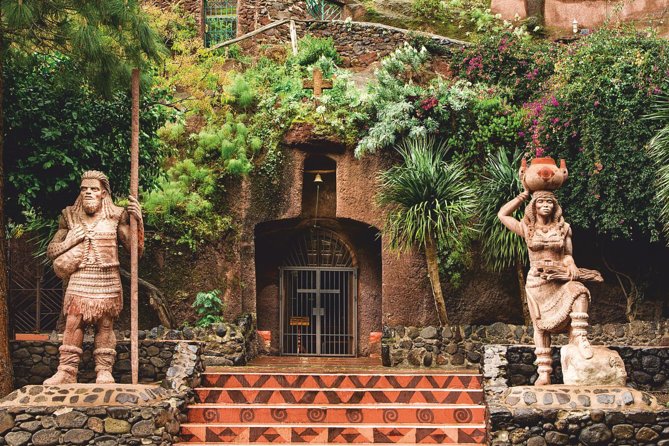
Agüimes is one of the more useful early stops because it introduces the island’s older side before the day moves into the mountains. The historic quarter has links to an ancient aboriginal settlement, and the old streets give you a sense of Gran Canaria before modern resort development took over the coast.
The nearby Guayadeque Valley adds a different layer. It is a protected natural area with steep slopes, plant life, and views across a dramatic ravine. Its cave dwellings are tied to the island’s first pre-Hispanic inhabitants, and some cave homes remain in use today.
This is one of the most distinctive parts of the route. You are not simply looking at a pretty village. You are seeing how people adapted homes and daily life to the island’s volcanic terrain.
Allow yourself to stay close to the guide here. The stop is listed as about an hour, and that goes quickly once you include walking, photographs, and transport arrangements. If you want a long hike through the valley, this is not the right format. The tour gives you an introduction, not a full walking day.
Arucas: bananas, rum, and a quick northern-town look
Arucas is known for banana cultivation and local rum. The town is included as a one-hour stop, giving you time to see part of its historic center and absorb the feel of a northern community.
The appeal here is variety. After the dry, rugged feel of the southern and central mountains, Arucas brings you into a more settled area associated with farming and local production. The stop is best treated as a snapshot rather than a detailed town tour.
The schedule may leave you wanting more. An hour is enough for a short walk and a few photographs, but not for a relaxed exploration of every street or a long visit to an attraction. If your priority is architecture or food culture in Arucas, you would need a separate visit.
Teror and the Basilica of Nuestra Señora del Pino
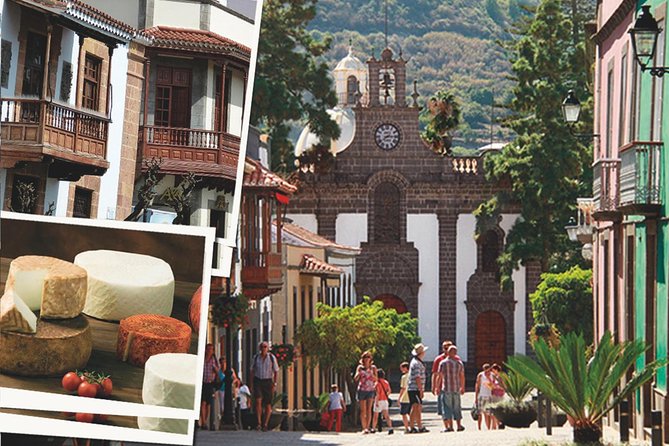
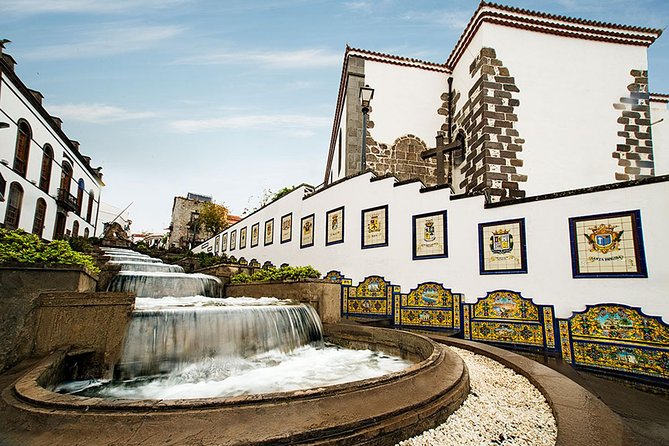
Teror has a more formal historic character. Its main landmark is the Basilica of Nuestra Señora del Pino, associated with the patron saint of the Canary Islands. The town also has Canarian-style stately homes and palaces.
This is a good stop for seeing the island’s traditional urban style. Look for the contrast between the religious center and the older residential buildings. The setting feels very different from the resort areas in the south.
Time is again the issue. The planned stop is about an hour, though one account described only around 30 minutes in town. That does not make the stop pointless, but it means you should be ready to walk directly to the main sights rather than browse at leisure.
If your guide is speaking English, German, Spanish, or another language to a mixed group, the amount of explanation can vary. Guides have received praise for speaking several languages and keeping people together, but multilingual commentary can also make the historical talks shorter.
More historic sites in Gran Canaria:
- Gran Canaria historical house with mango plantation
★ 5.0 · 7 reviews
Valleseco, mountain greenery, and the included lunch break
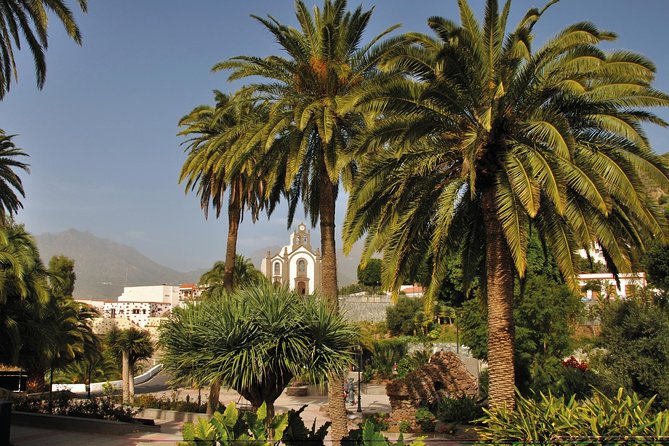
Valleseco is one of the more scenic portions of the day. Around 80 percent of its territory is considered a protected natural area, and the town is known for heavy vegetation compared with the drier parts of the island.
You get about two hours here, including free time to walk and eat lunch. This is the longest scheduled stop, so it is where the day feels least rushed. It is also the practical place to plan your meal.
Lunch is not included. The arranged restaurant commonly offers a three-course menu with a drink for about €12, which several people found to be good value. The catch is that the group is taken to a particular restaurant, and there may not be another nearby option if you do not want the set meal.
I would budget the €12 unless you are certain you will bring food. A packed lunch gives you more control, and it is specifically possible to bring one. The restaurant can also be full when a large group arrives, so do not expect a quiet, leisurely meal.
Use the break for a short walk as well as food. Valleseco is not just a lunch transfer point. Its vegetation and mountain setting provide a welcome change from sitting on the coach, though two hours can still pass quickly once the group is seated and served.
Roque Nublo, the day’s strongest natural sight
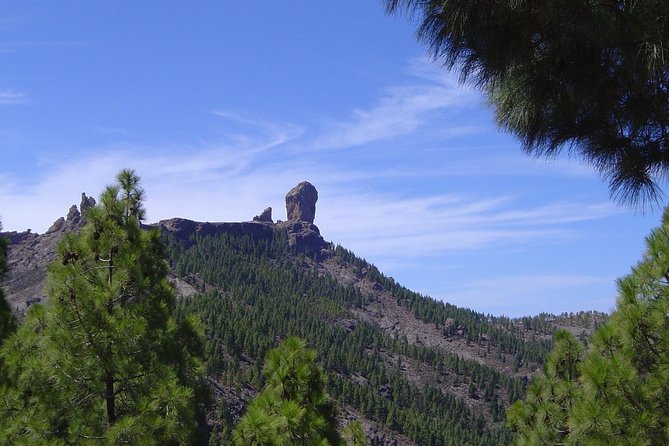
Roque Nublo is likely to be the visual high point of the trip. The volcanic rock rises about 80 meters above its base and has long held importance for island communities. The surrounding area became a protected natural area in 1987 and a rural park seven years later.
The stop is scheduled for about an hour. That gives you time to see the rock and take in the mountain views, but it is not enough for a substantial hike. You should think of this as a viewpoint visit unless your departure happens to allow more walking time.
The road journey itself is part of the experience. Drivers such as Manolo, Lessandro, and Alfredo have been singled out for handling tight mountain roads carefully and steadily. On some sections, the road can feel demanding even from a passenger seat, which is one reason this trip makes sense for people who do not want to rent a car.
A coach does limit your choice of viewpoints and your ability to stop whenever you like. Still, it lets you see central Gran Canaria without navigating unfamiliar bends, steep roads, and tight passing spaces.
Fataga and the aloe vera farm
Fataga is associated with the Valley of the Thousand Palm Trees, but the tour does not stop in the village itself. The route instead includes a visit to an aloe vera property.
The farm visit is presented as an introduction to the plant’s cultivation, uses, and properties. Aloe vera is widely grown and sold in the Canary Islands, so the stop can add a local-product angle to a day otherwise focused on towns and scenery.
You should set your expectations carefully. The visit may include a shop and a strong effort to sell aloe products. Some people found the claims about aloe too sweeping and felt the stop was disguised retail time. Others treated it as a short, interesting look at a product associated with the islands.
For me, this is the weakest part of the day if you dislike commercial stops. You are not required to buy anything, and the included visit does provide some information, but do not book this tour expecting a farm-work demonstration or a detailed agricultural lesson.
The guide and the multilingual group experience
The guide stays with the group throughout the day, which helps on a route with frequent stops and transfers. Named guides including Tom, Miguel, Simone, Angel, and Maribel have been praised for their friendliness, organization, and island commentary.
Tom has been noted for giving detailed information about Gran Canaria’s history. Miguel has been praised for speaking three languages and looking after the group. Other guides have received credit for keeping people comfortable and explaining the route clearly.
The language mix is worth considering. A guide may speak three languages during the same drive, and that leaves less time for each one. Some English-language explanations may be shortened, especially later in the day when the schedule gets tighter.
If you want a long, detailed talk at every stop, this may disappoint you. If you want a friendly guide to explain the main sights while someone else manages the route, it works better.
How much time do you spend on the bus?
The tour covers a large portion of the island, so coach time is unavoidable. One estimate put the day at about 70 percent on the bus, with scenic views through the windows and relatively brief stops.
That ratio is not necessarily a flaw. Gran Canaria’s mountains are a major part of the experience, and the road between towns can be as memorable as the destination. But you should bring water, wear comfortable clothing, and accept that this is a transport-heavy day.
The vehicle type also affects the feel of the tour. A larger coach can make boarding and unloading slower and may restrict your views compared with a minibus. On the other hand, it gives you a stable base for a large group and avoids the stress of driving.
The maximum group size is given as 40 people, though some departures have been described as closer to 50 after groups gather at a central point. That means you should expect an organized group excursion, not a private tour.
Value, practical limits, and who should book
At $59.61, the tour offers solid value if you want transport across the island, a guide, insurance, and a full schedule of stops. Paying separately for a rental car, fuel, and navigation would not necessarily save money, and driving the mountain route requires confidence.
The value falls if you prefer to spend several hours in one town. You will get more places, but less depth. The tour also asks you to pay extra for lunch, and the aloe stop may feel commercial rather than cultural.
I would recommend it most strongly for:
- First-time visitors staying in southern Gran Canaria
- People who do not want to drive mountain roads
- Anyone who wants a quick look at central and northern towns
- Visitors who enjoy scenery, photographs, and a busy day
- Couples or families who prefer an organized route to planning several separate trips
I would be more cautious if you want serious hiking, long museum visits, quiet meals, or detailed local history at every stop. The day is active in the sense of moving constantly, but it is not a walking tour.
Final verdict: a useful first-day orientation with caveats
I would book this tour if my main goal were to see a broad slice of Gran Canaria without renting a car. The mountain roads, Roque Nublo, Guayadeque, and the old villages make the day worthwhile, and the drivers appear to be a major strength.
Go in expecting a long coach ride, short visits, a paid group lunch, and a sales-focused aloe stop. Bring a sandwich if the restaurant arrangement does not suit you, keep your camera ready, and stay flexible about pickup and return times.
For a first visit, this is a practical island orientation. For a second visit, I would choose separate day trips that allow more time in Guayadeque, Teror, or the mountain country.
FAQ
How long does the tour last?
The listed duration is approximately seven hours. Pickup and return times can stretch the day, with transfers from southern hotels taking place between about 9:00 and 10:30 a.m.
Is hotel pickup included?
Yes. Pickup and drop-off are offered from hotels in southern Gran Canaria, or from the nearest pickup point to your hotel.
Is lunch included in the price?
No. Lunch costs extra. The arranged meal has commonly been offered as a three-course menu with a drink for about €12, and you may also bring a packed lunch.
Which places does the tour visit?
The route includes Agüimes, the Guayadeque area, Arucas, Teror, Valleseco, Roque Nublo, and an aloe vera property. Fataga is described as part of the route, but the tour does not stop there.
Is the tour suitable for most people?
Yes. The activity information says most people can participate. It is mainly a coach-based sightseeing day, with short walks at the various stops.
How large is the group?
The stated maximum is 40 people. Some departures have involved a smaller pickup vehicle transferring people to a larger coach, with group sizes sometimes described as higher once everyone gathers.
Can I cancel for a refund?
You can cancel at least 24 hours before the start time for a full refund. Cancellations or changes made less than 24 hours before the start are not accepted for a refund. If poor weather or an insufficient number of bookings causes cancellation, you will be offered another date or a full refund.
More Full-Day in Gran Canaria
- Full Day Rainforest Tour with Tasting and Swimming Time ツ
★ 5.0 · 607 reviews - Full Day Across the Island Tour from Las Palmas
★ 5.0 · 505 reviews - Gran Canaria: Full-Day VIP Tour by Bus
★ 4.2 · 322 reviews - Full Day Ticket at Perchel Beach Club with Lunch
★ 5.0 · 316 reviews
Just reviewed around Gran Canaria
- Custom Maspalomas Private Photo Shoot★ 5.0 · 7 reviews
- Sea and Mountain Full Day Tour with Lunch★ 4.0 · 5 reviews
- 6 Diving Sites Scuba Diving Package in Gran Canaria★ 5.0 · 6 reviews
- Kayak Gran Canaria★ 3.0 · 10 reviews
- Las Palmas Maspalomas Gran Canaria Salsa Lovers Dance Experience★ 5.0 · 3 reviews
- Las Palmas, Botanical Garden & Bandama Crater tour – Gran Canaria★ 4.5 · 27 reviews
- Photoshoot at Dunas Maspalomas in Desert Beach Ocean View★ 5.0 · 9 reviews
- Holiday World Maspalomas Wooland Ticket★ 3.0 · 50 reviews